Expert Local Fence Replacement Services: Speedy & Dependable Solutions
Professional local fence replacement specialists provide an ideal mix of efficiency and speed that has the potential to greatly benefit any property. Their expertise in regional regulations provides regulatory compliance, while their established supplier relationships help avoid unnecessary delays. Through hiring local professionals, property find guide owners are able to obtain premium materials but also help build ties within the community. That said, determining how to identify the right expert and the significance of different fencing choices can be complex. What factors should be considered next?
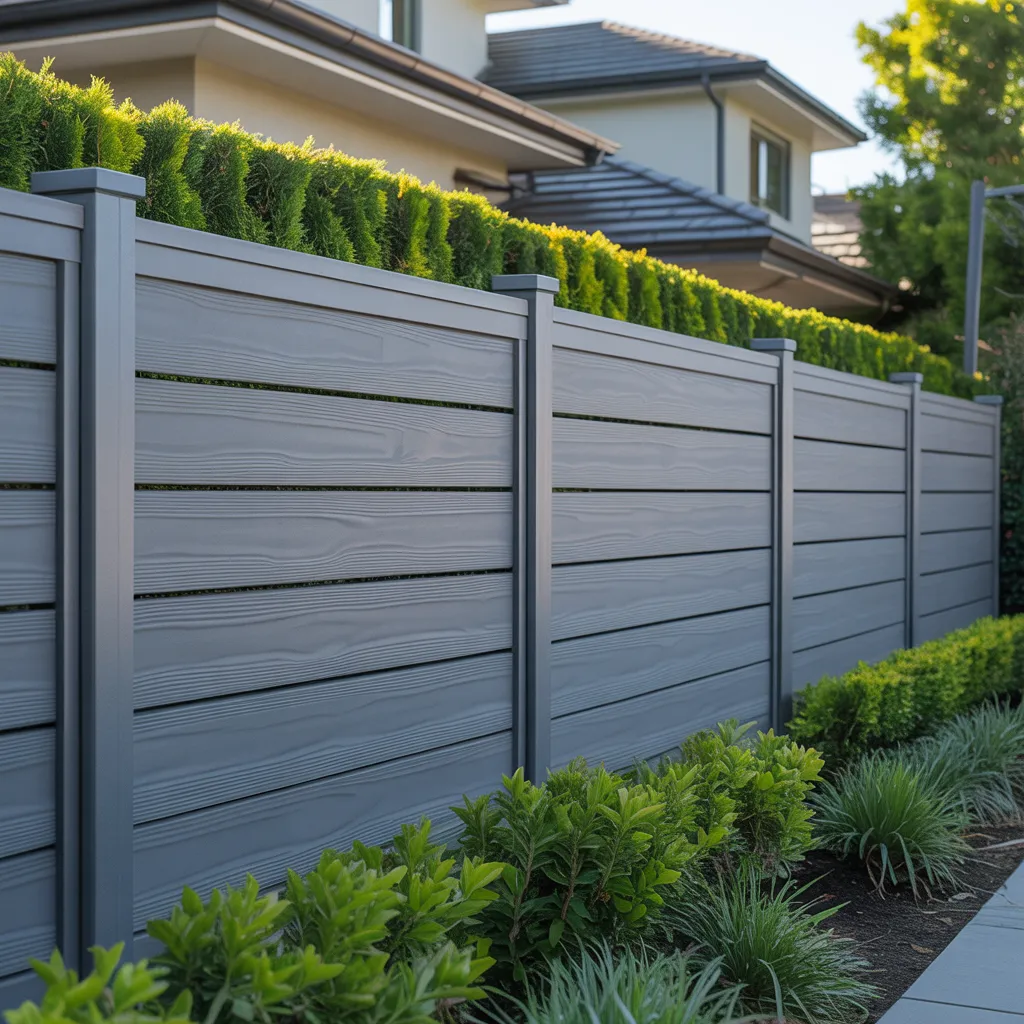
Top Reasons to Choose Local Fence Replacement Experts
When property owners look to replace their fences, working with local professionals can provide considerable benefits. Local experts have extensive knowledge of area-specific regulations and building codes, securing compliance during the entire installation process. Their familiarity with local materials and climate conditions allows them to recommend the best options for durability and aesthetics. Moreover, local specialists commonly have well-developed ties with suppliers, which can lead to cost savings and quicker access to materials.
Furthermore, local professionals are generally easier to reach for follow-up services and consultations, cultivating lasting customer relationships founded on reliability and trust. Homeowners gain from their familiarity with local architectural styles, guaranteeing that the replacement fence harmonizes with the local environment. Finally, backing local businesses strengthens the community's economy, fostering a collective commitment to the area's growth. This combination of expertise, convenience, and community impact makes hiring local fence replacement experts a wise choice for homeowners.
How to Vet Fence Replacement Specialists
How can homeowners guarantee they select the right fence replacement professional? Evaluating potential contractors involves several important steps. Initially, homeowners ought to request suggestions from trusted friends, family, or online platforms to evaluate a contractor's standing and trustworthiness. Furthermore, checking qualifications is of utmost importance; specialists should possess valid licenses, comprehensive insurance coverage, and proven expertise in the desired fencing type.
Homeowners should also request detailed written estimates from a number of contractors, ensuring transparency in pricing and scope of work. Engaging in direct communication enables homeowners to evaluate attentiveness and professional standards. Furthermore, looking into prior projects or client feedback offers a glimpse into the contractor's standard of workmanship.
In the end, recognizing the warranty and maintenance options offered can be vital for long-term satisfaction. By thoughtfully evaluating these considerations, property owners can make a confident choice in selecting a fencing replacement professional who fulfills their requirements and expectations.
Evaluating Common Fencing Materials: Advantages and Disadvantages
Choosing the ideal fence contractor leads homeowners to evaluate the different materials offered for their new fence. Each material has its own array of pros and cons.
Wood is well-known for its organic appeal and flexibility but requires regular maintenance to prevent rot and insect damage. Vinyl delivers durability and low maintenance, however it may cost more initially and may become brittle in extreme temperatures. Chain link fencing is budget-friendly and ensures safety but lacks privacy and aesthetic appeal.
Aluminum tends to be lightweight and rust-proof yet may fall short in strength when compared to other available materials. Composite fencing combines the look of wood with the durability of plastic, yet it can be pricey and may fade over time. Recognizing these advantages and disadvantages allows homeowners to make well-informed choices suited to their needs, finances, and regional climate, guaranteeing a worthwhile investment in their home.
What to Expect During the Fence Replacement Process
As part of the fence replacement process, a preliminary consultation establishes the foundation for the project, giving homeowners the opportunity to express their needs and preferences. Subsequent to this, a clear installation timeline is established, identifying critical milestones and projected completion dates. Being aware of these steps helps create realistic expectations for the complete process.
Initial Consultation Overview
What can homeowners expect when working with fence replacement professionals? To begin, homeowners should anticipate a comprehensive evaluation of their property. Professionals will usually arrange a meeting to go over the preferred fence design, materials, and budget. In this session, specialists will examine property boundaries, existing features, and municipal guidelines that might influence the project. Homeowners should prepare to share their vision and any specific requirements. After the consultation, the professionals will deliver a quote detailing expenses and projected schedules. This stage also allows for questions, ensuring homeowners have clarity before proceeding. In the end, the first meeting establishes the groundwork for a smooth fence replacement, promoting open dialogue and shared understanding between the property owner and the fencing experts.
Installation Schedule Summary
After the consultation has been completed, homeowners can expect a structured timeline for the process of replacing their fence. Generally, the preliminary phase involves securing the required permits, which may span several days depending on regional requirements. Following this, the fence installation crew will arrange a time for the removal of the old fence, generally accomplished in one day.
Following this, the setup of the fencing starts, which can take between one and three days, based on the complexity and size of the work. Weather conditions and material availability may also impact the timeframe. At the end, a post-installation inspection verifies that the fence satisfies quality requirements, completing the process. Homeowners can count on open communication throughout to maintain their awareness at each stage.
Guidelines for Keeping Your New Fence in Great Shape
Upkeeping a brand-new fence is important for its long-term performance and visual appeal. Regular inspections and timely repairs can stop small problems from escalating into larger ones. Moreover, appropriate cleaning methods and seasonal upkeep strategies will assist homeowners in safeguarding their investment.
Routine Inspections And Repairs
Regular inspections and prompt repairs are critical for maintaining the durability and look of a new fence. Residents should frequently examine for evidence of wear, such as loose panels, rust on metal elements, or degradation in wood. Addressing minor issues promptly can prevent more significant damage and costly repairs later. It is recommended to examine the fence following harsh weather conditions, as strong winds and heavy rainfall can compromise its stability. Moreover, assessing the posts and gates for steadiness confirms that they continue to function properly and remain secure. Keeping an eye on the surrounding landscape, such as overhanging branches or invasive plants, can also protect the fence from potential harm. Regular maintenance ultimately contributes to the fence's enduring beauty and reliability.
Appropriate Cleaning Practices
Maintaining a fence regularly ensures its long-lasting condition and improves its visual appeal. To preserve a new fence, begin by eliminating unwanted material such as leaves, twigs, and dirt by utilizing a brush or leaf blower. For wooden fences, a combination of gentle soap and water is suitable for eliminating stubborn grime. A gentle brush helps to scrub persistent stains without harming the wood. For metal or vinyl fences, a high-powered washer can effectively wash away accumulated grime, though care should be taken to prevent excessive pressure that could cause harm. After cleaning, examining for damage or deterioration is highly recommended. Consistent upkeep not only maintains aesthetic appeal but also extends the longevity of the fence, ensuring it stays a worthwhile investment to the overall property.
Seasonal Care and Maintenance Guidelines
Regular cleaning sets the foundation for proper seasonal upkeep of a new fence. Property owners should routinely examine their fences for indications of wear, such as loose boards or rusted hardware. In spring, it's beneficial to remove debris and check for moisture damage caused by winter weather. Warm weather upkeep can include applying a protective coating to wooden fences, guarding against rot and UV damage. As the autumn season begins, clearing leaves and branches is critical to avoiding moisture buildup. Prior to winter, a comprehensive inspection ensures that all required repairs are completed, protecting against harsh cold weather. By adhering to these seasonal tips, property owners can extend the lifespan of their fences, preserving both appearance and performance across all seasons.
Common Fencing Maintenance Blunders to Watch Out For
Ignoring regular fence upkeep can lead to costly repairs and premature replacement. One common mistake homeowners make is failing to inspect the fence regularly for damage or wear. This oversight allows small issues, such as rot or rust, to escalate into significant problems. Moreover, unsuitable cleaning approaches, including the use of strong chemicals or high-pressure washing, can deteriorate the fence material. A common oversight is failing to manage vegetation growth; plants can trap moisture against the fence, leading to decay. Homeowners often overlook the importance of sealing and treating wooden fences, which serves as a protective barrier against the elements. Moreover, overlooking municipal guidelines on fence maintenance may result in fines or compulsory restoration work. By recognizing these frequent errors, homeowners can implement preventive measures to prolong the life of their fences and preserve their property's visual appeal.
How Regional Experts Maintain Quality and Durability
Numerous homeowners turn to local professionals to secure long-lasting results in their fencing installations and replacements. Local experts are well-versed in area-specific materials and climate conditions, ensuring that the right choices are made for lasting performance. Their knowledge of area-specific codes and regulations additionally ensures compliance, preventing possible legal complications.
Furthermore, veteran contractors frequently use premium products sourced from trusted suppliers, which has a direct effect on the lifespan of the fence structure. Their skill ensures accurate installations, reducing the risk of costly repairs down the line. Local contractors also provide important recommendations regarding care routines designed for individual settings, increasing the life of the fence.
Moreover, many provide warranties on their workmanship, giving homeowners peace of mind. By choosing local experts, homeowners gain a perfect balance of superior craftsmanship, personalized solutions, and strong community ties, each of which supports the long-term success of their fence projects.
Frequently Asked Questions
How Much Time Does a Standard Fence Replacement Project Require?
A common fence replacement project typically requires anywhere from one to three days, influenced by factors such as the scope of the area, the materials selected for the job, and weather conditions influencing the installation process.
What Permits Are Required for Fence Replacement in My Area?
Fence replacement permit requirements differ depending on location. In most cases, homeowners are advised to consult with local zoning offices or municipal authorities to identify specific requirements, such as height limitations and property boundary requirements, to ensure they remain compliant before starting the project.
Can I Customize My Fence Design and Materials?
Yes, fencing designs and materials can typically be tailored to accommodate individual needs. Property owners can select from a wide range of styles, colors, and materials, creating personalized looks that beautifully match their property while meeting local ordinances.
Do Local Professionals Provide Warranties for Their Work?
Regional professionals typically offer warranties on their work, making certain clients get superior service and quality materials. These warranties tend to differ across timeframe and protection, delivering confidence for those investing in fence replacement services.
What Effect Do Weather Conditions Have on the Fence Replacement Timeline?
Weather plays a significant role in fence installation schedules. Snow, rain, or severe temperatures can set back installation progress, influencing the state of the soil and how materials are managed. Experienced local contractors regularly revise their timelines to copyright quality standards and safety during uncertain weather.